
How to Choose Living Room Furniture
![]()
![]()
![]()
How to Choose Living Room Furniture
Selecting furniture for the living room can be very overwhelming, leaving you with hundreds of choices. Do you choose the modern sofa or go for the classic one? Exactly how large a coffee table that you need in your living room? All of this is perfectly normal, and the bright side is that you don’t have to complicate the process of learning about living room furniture selection.
Your living room is the place that you use the most in the house. It is the area in which you unwind when you arrive from work, and it is the place that you use on the weekend when you throw parties for your friends. In addition, you may use it when you work from home occasionally. Hence, arranging this room is of utmost importance because it is utilised very often.
In this guide, you’ll learn everything you need to know about selecting the right living room furniture that will work for you - from the more practical considerations such as size and materials, to the more subjective considerations such as aesthetics and colour schemes. By the end of this guide, you’ll be confident in making decisions that you can live with for years to come!
Begin in Your Space
Before you go and fall in love with what you think is the ideal piece of furniture, you have to get to know your room. It may or may not be super exciting, but let me tell you, it prevents you from buying an enormous sofa that you won’t be able to get inside the door.
Essential measurements to take:
- Room length and width
- Ceiling height (particularly for high storage units)
- Window and door placement and size
- Radiator positions
- Alcove depths if you have them
- Doorway width (to ensure that furniture can actually get into the room)
Consider the flow of traffic within your living room. Do you have natural traffic paths between doors? Make sure you leave enough space in such paths. Generally, it is advisable to leave between 60 and 90cm for movement between pieces of furniture.
Think about the shape of the room, too. If you are furnishing a very long and narrow room, you will need different arrangements than you would for furnishing a square room. Sometimes you may have to divide a large room into several different areas or find a way of making a small area seem larger than it actually is.
Selecting the Right Furniture for Your Living Room Based on Your Lifestyle
Your life patterns must be reflected in the type of furniture you choose. Families with small kids require different furniture than those living alone or those having very infrequent gatherings of relatives and friends.
Do you eat in the living room? Then you’ll want surfaces that are spill-resistant and easy to clean. Do you entertain in the living room? Then extra seating will be a must. Do you work from home? Then you may need furniture that doubles as something else.
Questions to ask yourself before buying:
- How many people generally use this room at one time?
- Do you have pets that shed or scratch?
- Will children be playing in this area?
- Do you throw parties for guests?
- Is this room utilised for work or studying?
- Do you need storage for games, books, or electronics?
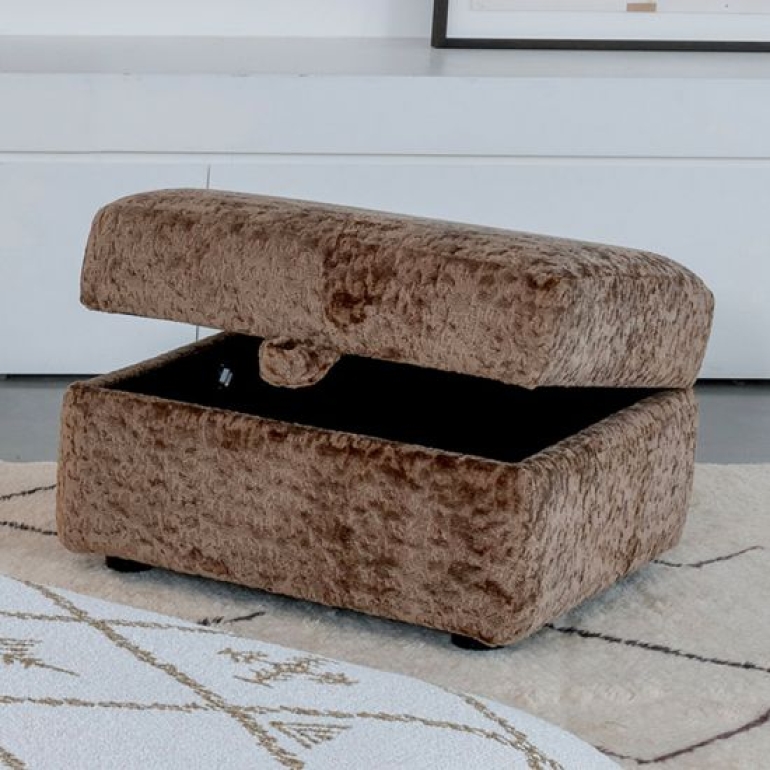
It is at this point that multi-functional furniture pieces come in very handy. You can use a storage ottoman to put your feet down and also to stash blankets and magazines. Additionally, you can use tables that can be put together and separated when you want more space in the room.
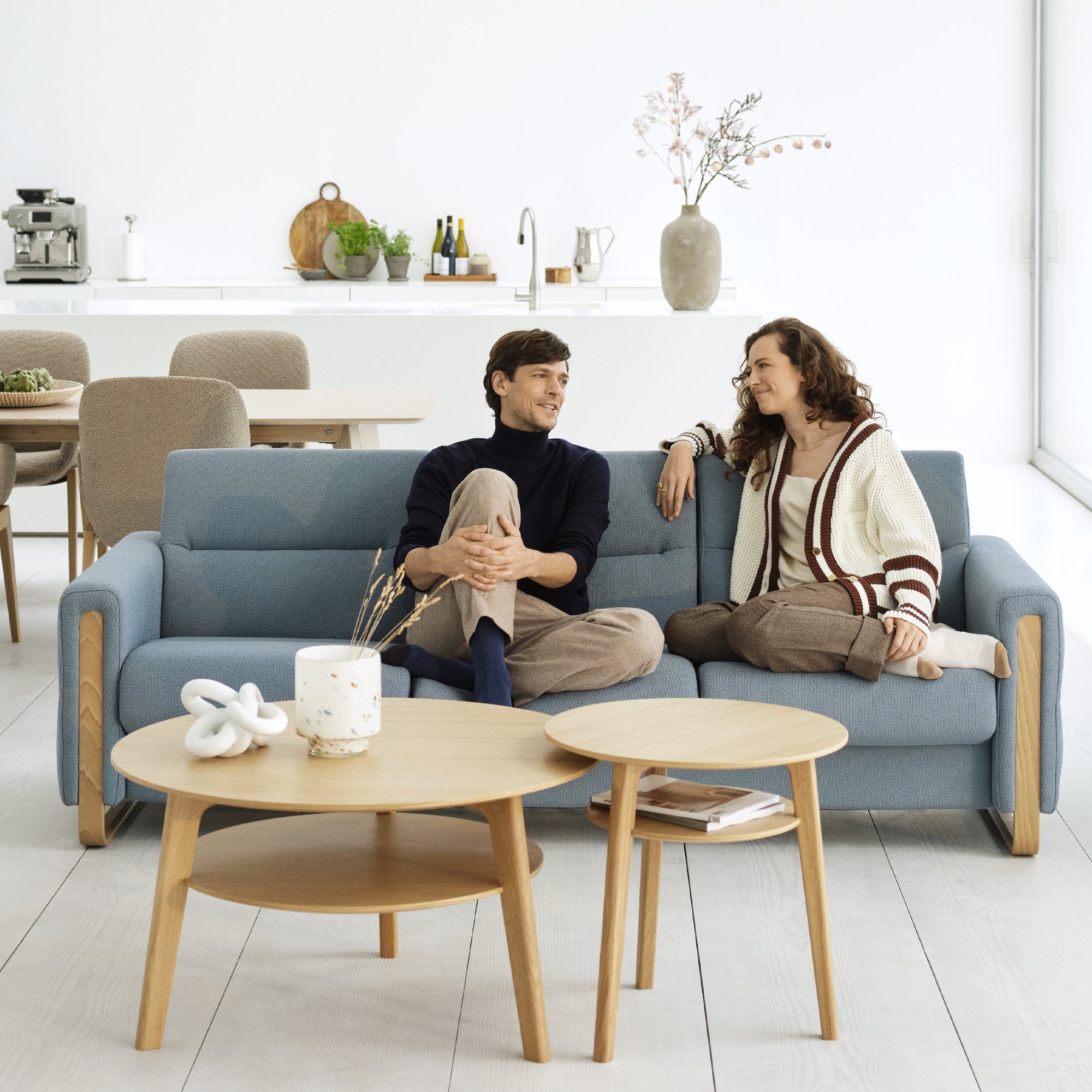
Sofa First Starts Here
For most people, the sofa is the most expensive buy and the focal point of the space. This choice determines everything else, so it's wise to spend your time on it.
People define comfort differently. Deep, soft cushions are adored by some people. Others would like more support. If at all feasible, sit on sofas before making a purchase. Even just a few minutes will help you to rapidly determine what seems natural.
Aspects of a multipurpose sofa to bear in mind:
- Built-in seat-level storage boxes
- Guest sofa bed design
- Extra comfort from reclining sections
- Convertible modular elements
- Washable, detachable covers
With more utility, our range of manual recliner and power recliner sofas provides comfort. The design of the sofa will guide your other furnishings. Sleek side tables and simple decors complement a modern, low-profile sofa. Classical décor and wood furniture look great with a typical rolled-arm sofa.
How to Select a Coffee Table
Your coffee table should ideally match your sofa rather than clash with it. Ideally, the height should be roughly equivalent to or somewhat less than the seat cushions on your sofa. This enables easy reach from a sitting posture.
Coffee table size guide:
- Height: 40-45cm (about the same as sofa cushions)
- Length: Around two-thirds the length of your sofa
- Distance from sofa: 40–50cm for comfortable access
- Width: The table and other furnishings need at least 60cm of space between them.
The way the room flows depends on the shape. Longer sofas look good with rectangular tables; round or oval tables help to soften the appearance and are perfect for limited areas. If you have little children, these are also safer as there are no sharp corners to trip over.
Consider what you would really use the table for:
- Need storage? Look for tables with shelves or drawers underneath
- Want to elevate your feet? A table with an ottoman-style upholstered surface would be more suitable for you.
- Prefer a minimalist look? A simple glass or wood top could be perfect
- Have young kids? Go with strong surfaces and rounded corners.
Find ageless patterns in our Ercol coffee table range that combine flair with utility.
Storage Alternatives Not Resembling Storage
Everyone needs places to store things, but no one wants their living room to look messy. The secret is selecting storage that fits in perfectly with your other items of furniture.
Clever storage solutions:
- Shelving systems concealing clutter baskets and exhibiting decorative goods
- Media units featuring closed storage areas for cables and electronics
- Side tables with drawers for remotes and publications
- Ottoman benches featuring flip-up seats
- Placing console tables with shorter shelves behind sofas
- Built-in alcove units for a perfect look
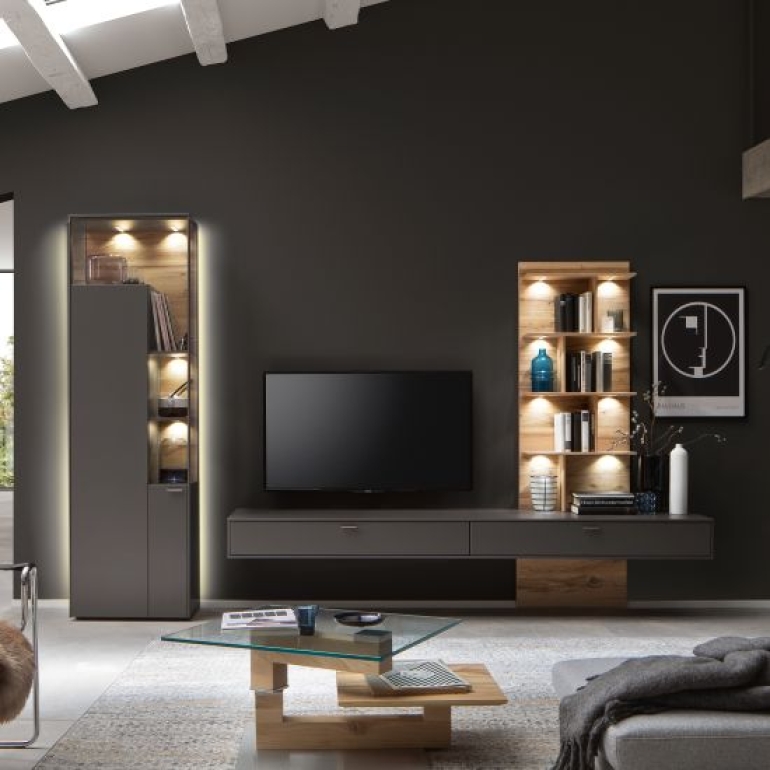
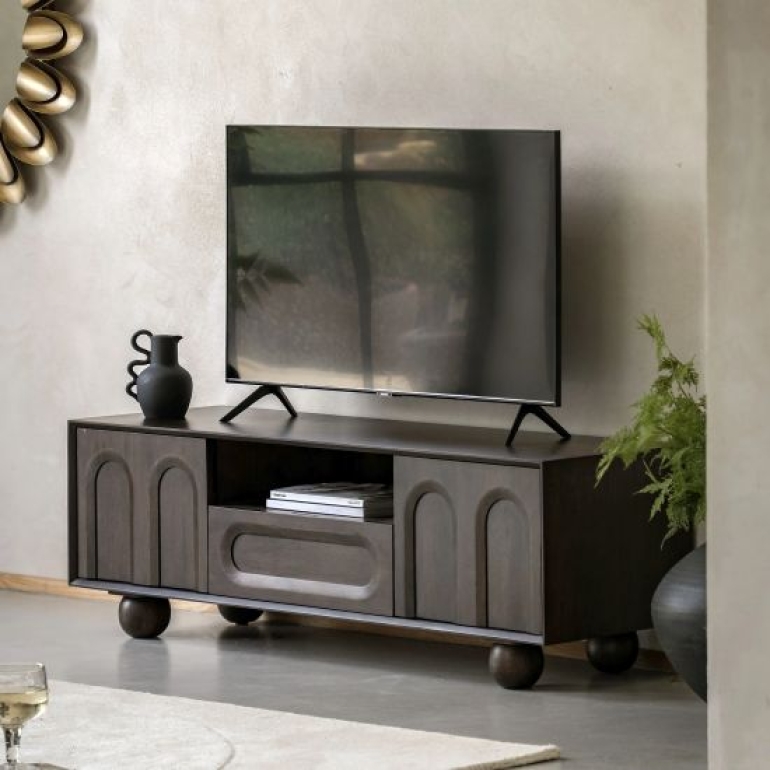
Media units accomplish more than just support your television. Look for those featuring drawers and cabinets where you can hide gaming consoles, DVDs, and all those bothersome cables. An appropriate media unit arranges everything neatly without compromising design.
Stay in Perspective When It Comes to Modern Living Room Trends
Alhough it's tempting to follow trends, keep in mind that you're buying furniture to live with for years rather than months. Since trends come and go, creating a basis of timeless items that won't seem out of date quickly is more worthwhile.
Popular trends right now:
- Curved sofas and circular furniture forms
- Natural resources like cane, solid wood, and rattan
- Warm, earthy colour schemes include sage, terracotta, and warm neutrals.
- Environmentally friendly and sustainable materials
- Fabrics with a textured or bouclé finish
- Statement lighting as part of furniture
- Designs inspired by vintage and retro themes
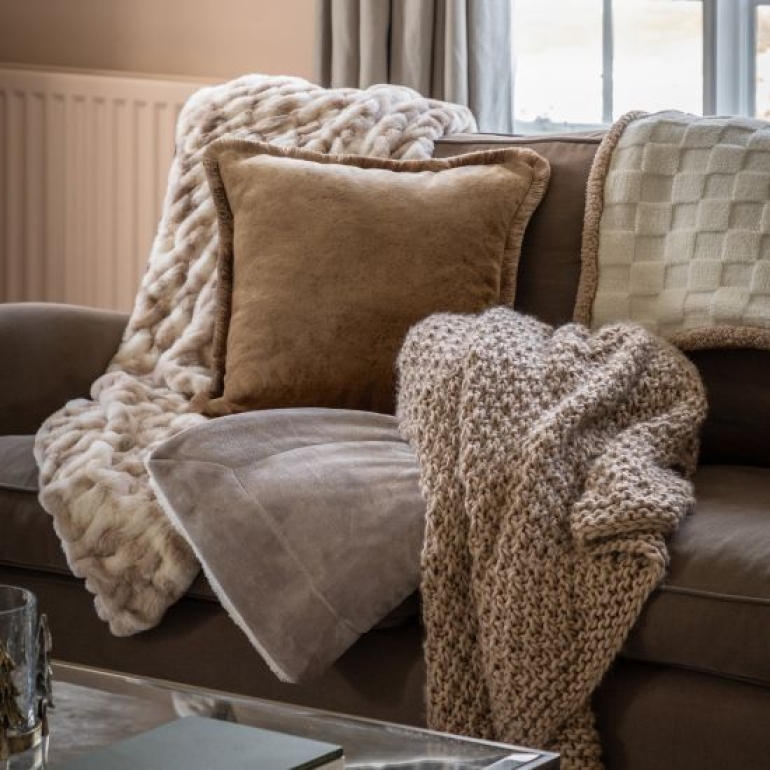
Finding a balance between these and ageless essentials like a good sofa and coffee table is the best strategy, rather than accessorising with trendier items by means of cushions, throws, and other little accents. This approach lets you modernise your appearance without costing you a fortune in furniture replacement.
![]()
![]()
Don't Forget About Dining Spaces
You have to consider how everything interacts if your dining room is incorporated into your living room. The dining and living areas ought to be different but related.
Modern living room items go nicely with contemporary dining room furniture's simple shapes and clean lines. For a unified appearance, carry the more classic feel of your living room onto your dining furniture.
Tips for combined living-dining spaces:
- Define distinct areas using rugs.
- Maintain the same colour scheme in both fields.
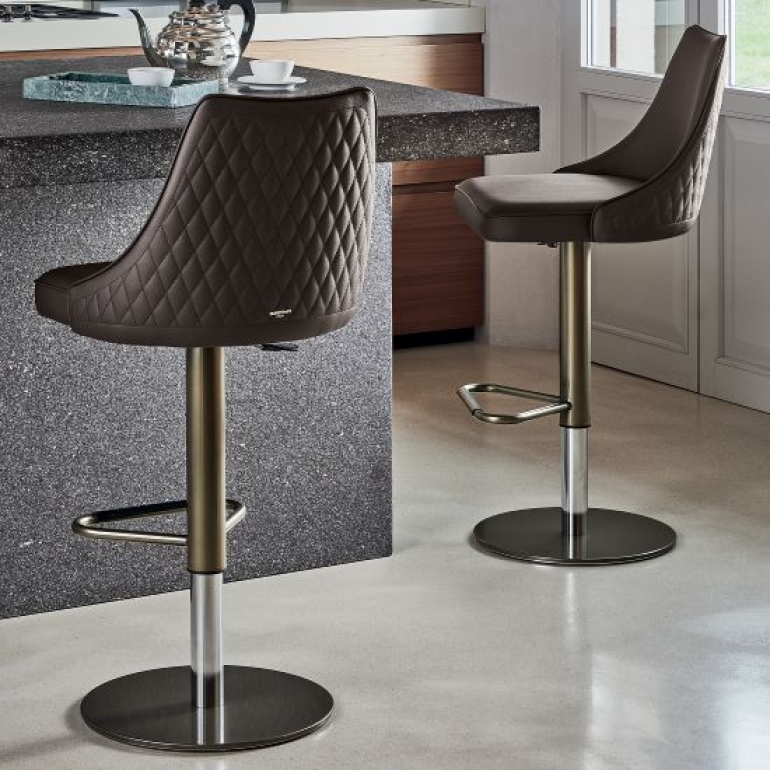
- Select dining chairs matching your sofa design.
- Think about a table that can be made bigger or smaller so you can use it in different ways.
- Keep dinner chairs at least 120 cm away from other furniture when they are pulled out.
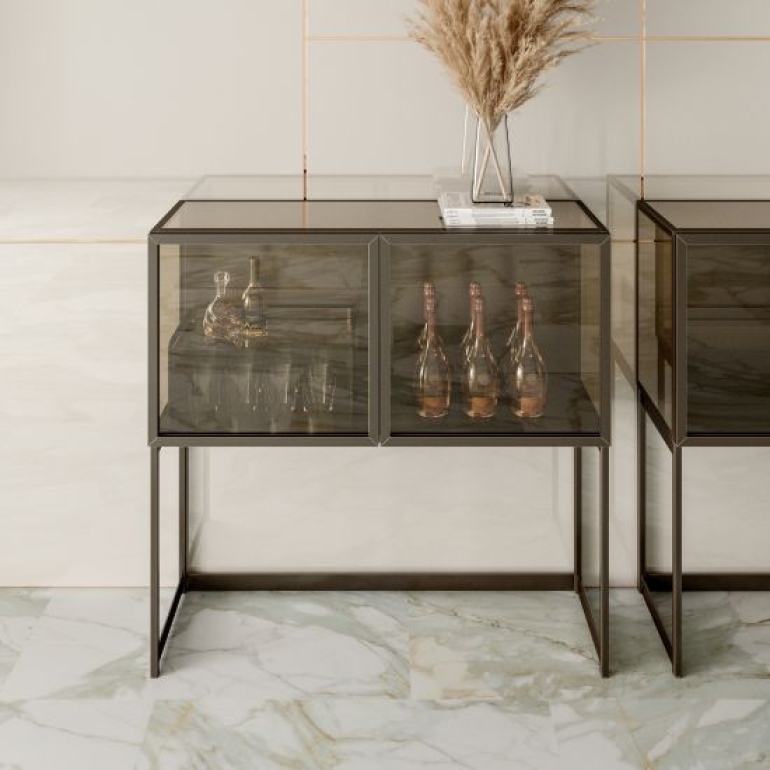
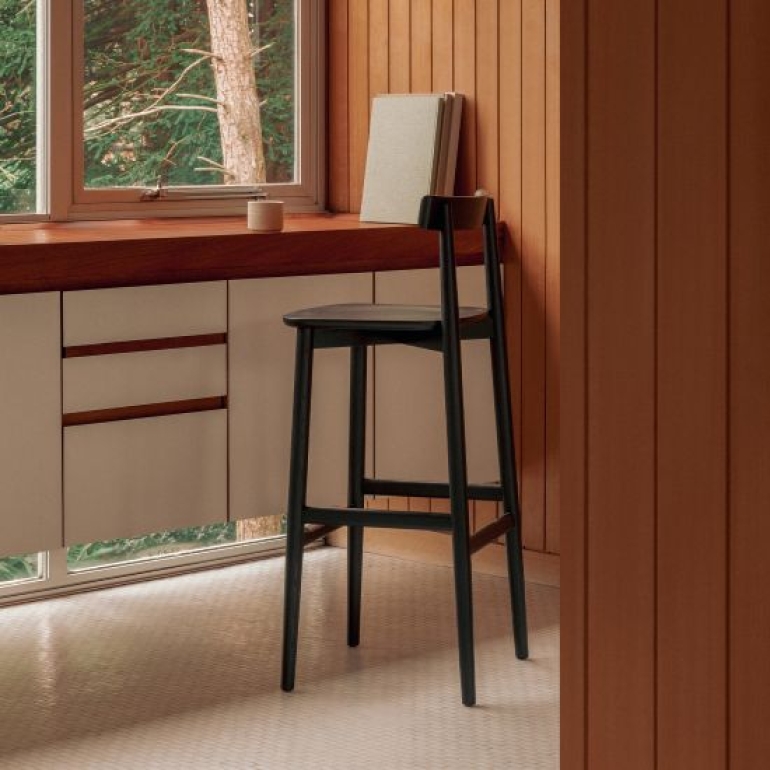
What About Bar Room Furniture?
For some, there is joy in having a little bar area right in the living room. If you frequently host guests and have the room, bar room furniture can be a fun extra.
Popular bar furniture options:
- Bar carts: Mobile, adaptable bar carts can be stowed away when not in use.
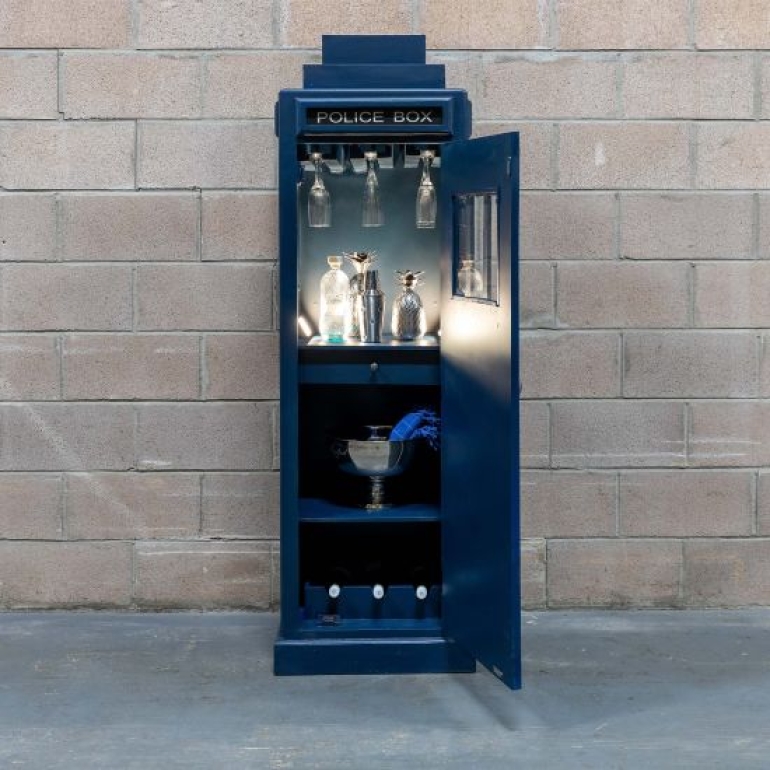
- Bar cabinets: Bar cabinets are especially made to hold glasses, bottles, and bar tools.
- Wall-mounted shelves: A space-saving choice for more compact spaces.
- Vintage drinks trolleys: Put some charm and use into it.
- Built-in bar nooks: Effectively utilise alcoves or corners.
Probably the most adaptable choice is a bar cart. It can be wheeled out for visitors and then tucked back for more room. They range in look from contemporary minimalist to retro brass.
Combining Materials and Textures
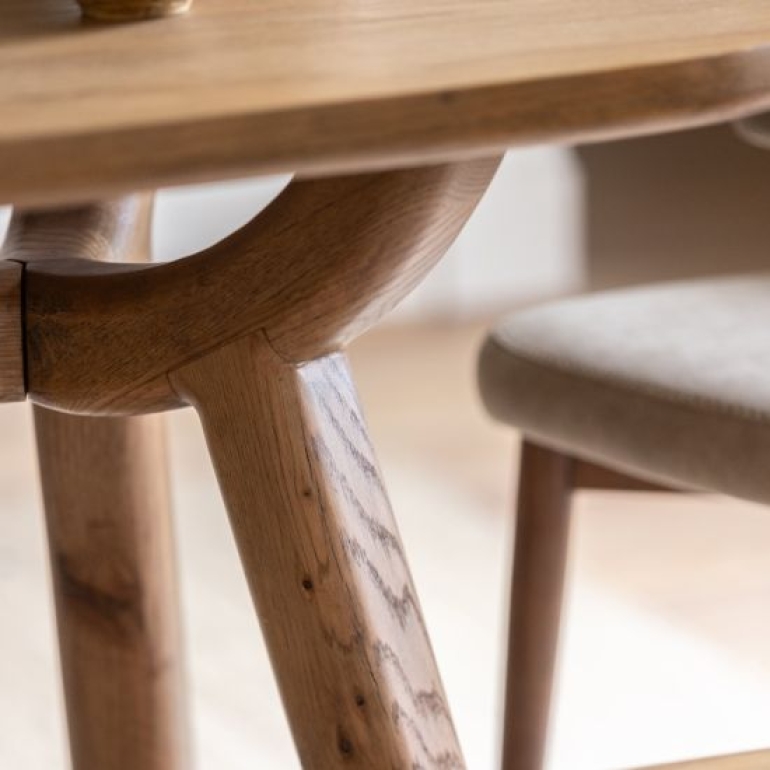
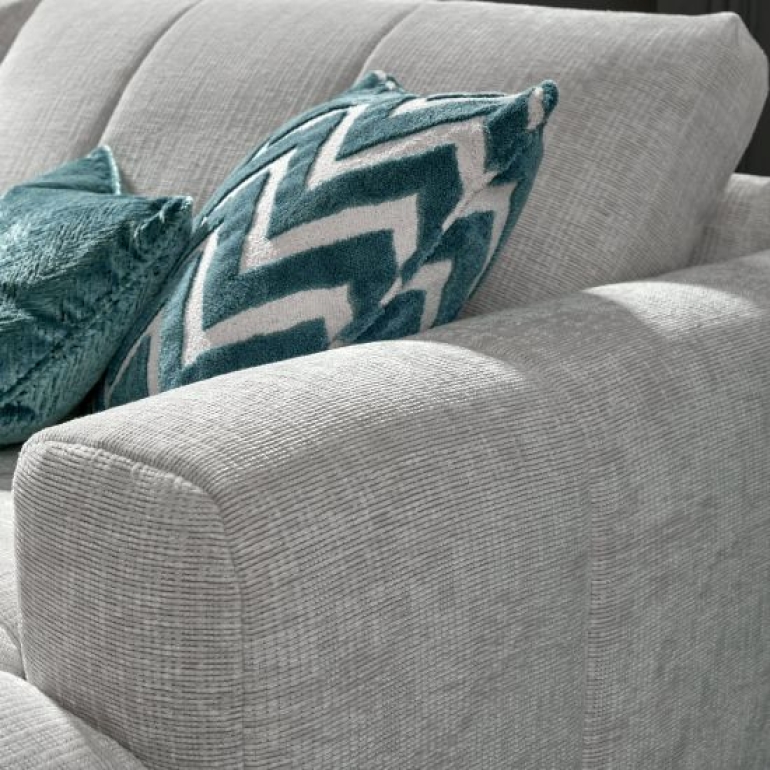
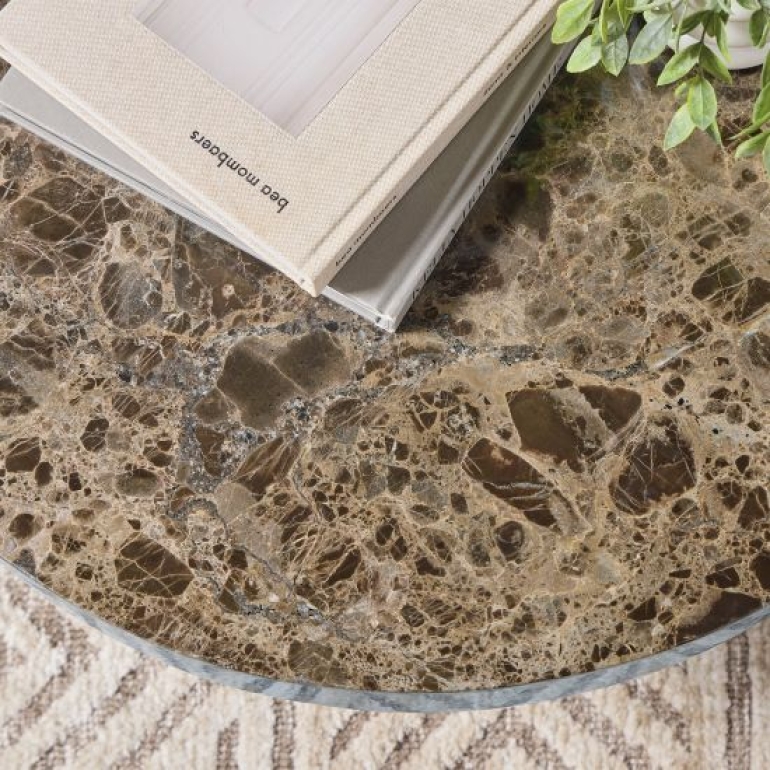
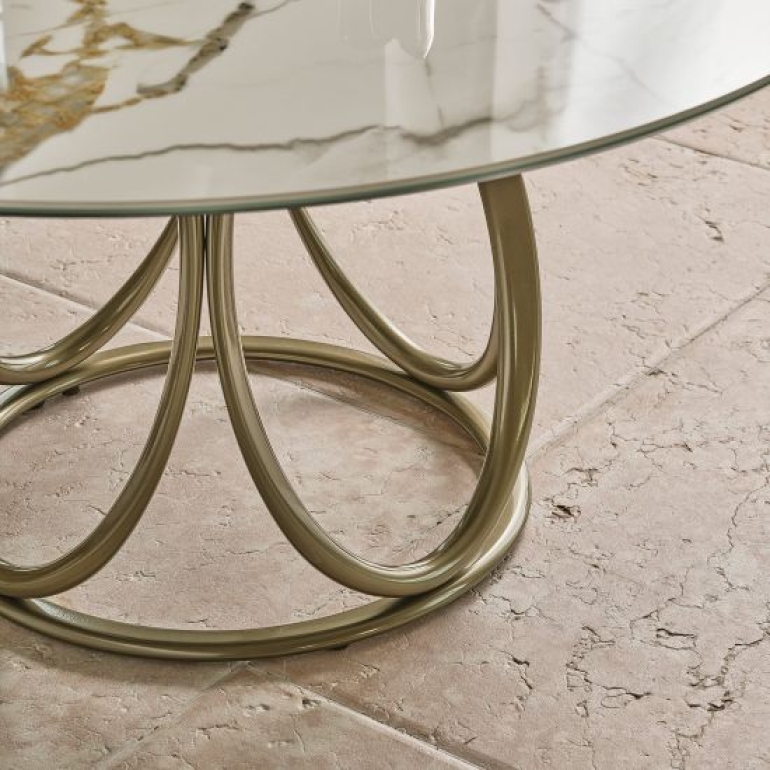
An area full of same wood furniture can seem dull and lifeless. Combining several materials adds depth and visual appeal.
Combinations of materials that are effective:
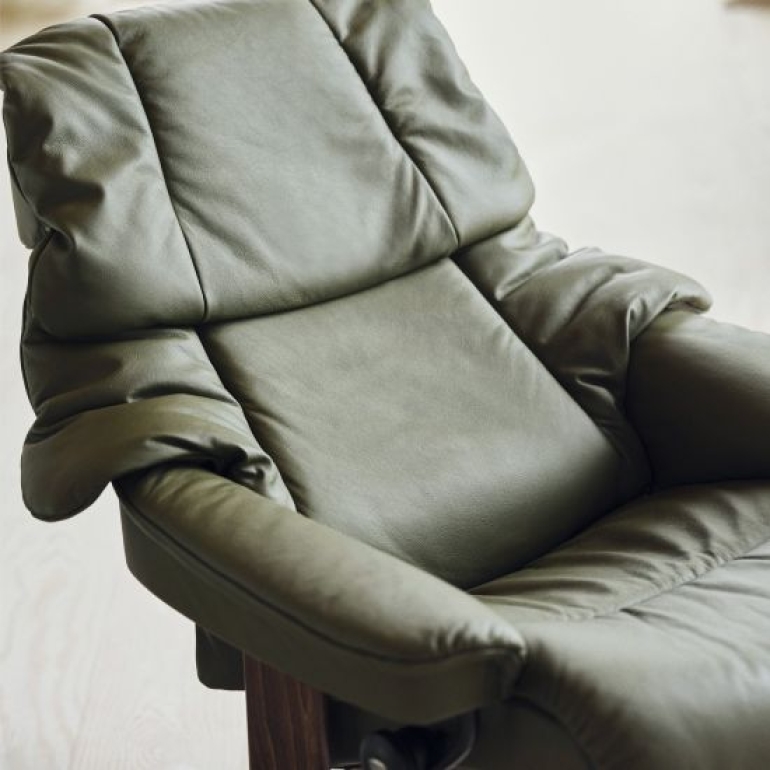
- Metal side tables, a leather sofa, and a wooden coffee table
- Glass surfaces, plus velvet upholstery, plus brass details
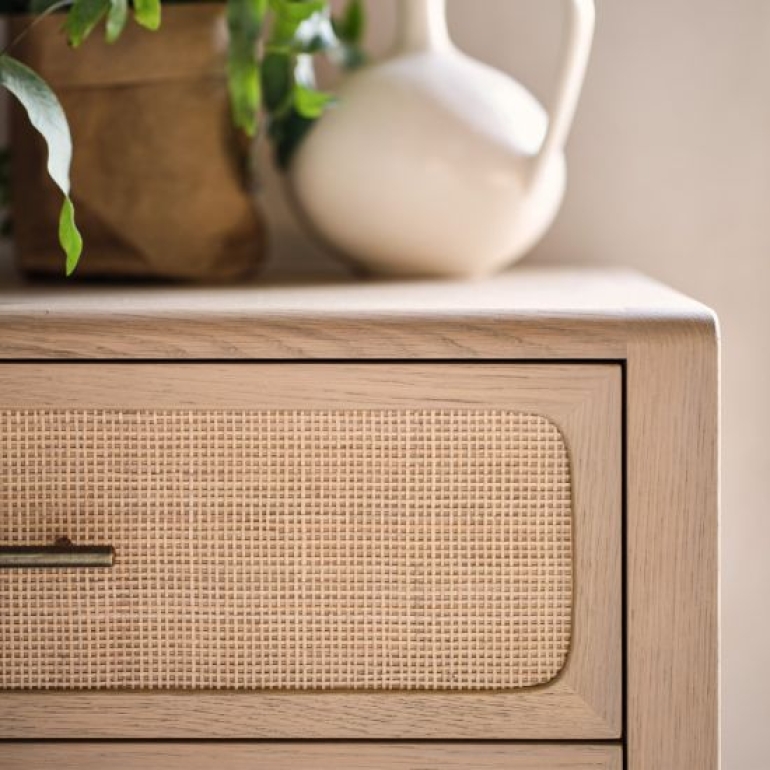
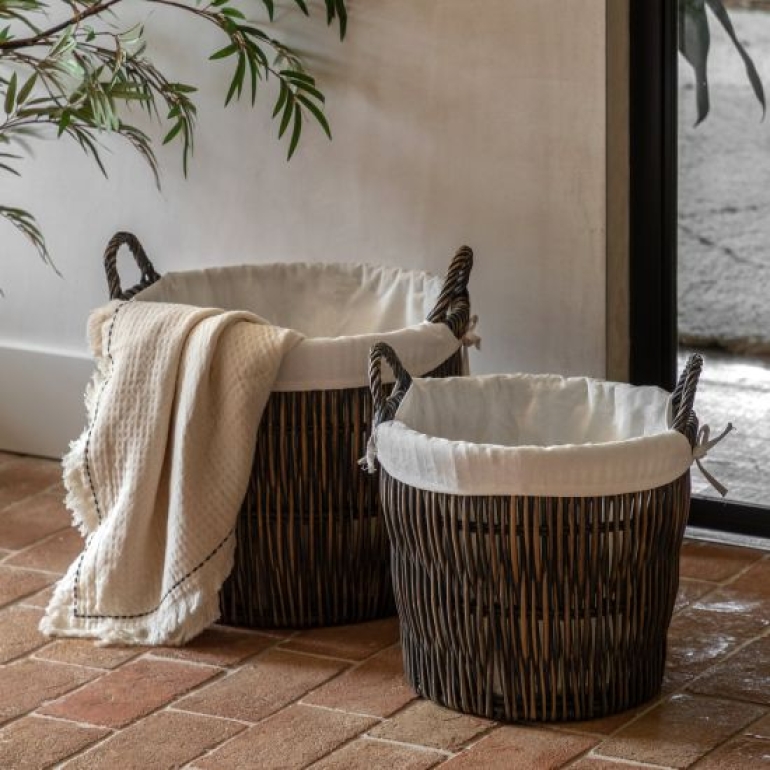
- Linen fabrics, rattan furniture, and ceramic accessories
- Leather, wood, natural stone
- Cotton textiles, painted wood, woven baskets
Simply remember not to combine too many genres at once. A room will seem disorganised if it includes modern, classic, rustic, and industrial items all vying for notice. Choose one primary style and maybe one supporting one, then stick with those.
Lighting and Furniture Work Together
The lighting of a space depends on the furniture you pick, therefore influencing the placement of lamps. Plan this from the beginning rather than later as an afterthought.
Lighting placement tips:
- Side tables should be 60-65cm tall for proper table lamp height
- Floor lamps work well in corners or beside armchairs
- Leave space behind sofas for console tables with lamps
- Consider adjustable reading lights for specific seating areas
- Don't block windows with tall furniture—you'll lose natural light
Quality Above Volume
While it's tempting to furnish your living room rapidly with inexpensive furniture, this usually ends up costing more over time. Badly made things break easily, forcing you to replace them earlier than you may have wanted to.
Keep an eye out for signs of quality furniture:
- Frames made of solid wood—not particle board.
- Sofas that feature eight-way hand-tied springs.
- Dovetail joints
- Thick, high-density foam cushions
- Strengthened corners and stress spots
- Detachable cushion covers for easy cleaning
- Manufacturer guarantees lasting up to at least five years
Spend money on high-quality items—a sofa, coffee table, or any big storage units. These should last at least ten years with good maintenance. Smaller things like ornamental accessories and side tables are simpler to replace.
Taking Your Time in Making a Decision Pays Off
The plain reality is that you do not have to instantly furnish your whole living room. It's much wiser to dwell on the decisions for some time and determine exactly what you require.
Timeline for pragmatic furniture purchasing:
- Week 1-2: Buy basic chairs or a sofa.
- Week 3-4: Put in a coffee table
- Month 2: Add lighting and side tables
- Month 3: As you spot more demands, provide more storage options.
- Ongoing: Gather decorative objects and accessories over time.
If you do come across something you like, resist hurrying just because it is on discount. Make sure it definitely complements your way of living and surroundings. If you don't like it in six months, a deal is not really a deal!
Making Everything Work Together
The last stage is confirming that all of your personal furniture selections fit together in the room as a whole. Though many people find this bit difficult, it is not as challenging as you may believe! Here's some pointers -
Create a consistent style:
- Keep your palette to neutrals and two to three primary hues.
- Recycled materials are always a great idea - for example, include wood tones and metal finishes.
- Balance smaller items on opposite sides against bigger ones.
- Keep all wood furniture in the same tones (warm or cool, not mixed)
- Use the same leg shapes (tapered, straight, bent, etc.).
Your whole living room furniture set should feel deliberate and put together, even if the items aren't from the same brand.
Concluding Ideas
Selecting furniture for your living room involves sensible preparation as well as artistic expression. Though you may want a room that reflects you, you also need items that fit your area and help your lifestyle.
Remember these key points:
- Before purchasing anything, always check your space.
- Think about your real way of life, not a romanticised variation!
- Spend money on good quality for big items like sofas.
- Play around with textures and materials for visual appeal.
- Take your time to and buy things slowly; don't hurry.
- Select furniture you really like, not just what's popular.
Most importantly, select furniture you really enjoy. Though trends will vary, you are the one living with these decisions. Rely on your intuition and research, and design a living room fit for your ideal way of life!
- 19th December 2025


