You need to enable JavaScript in order to use the AI chatbot tool powered by ChatBot Skip to main content

Sofa Buying Guide

First Steps

Decide where it goes!

A sofa is often the focal point of the living room, and it's important to have an idea of where it might be placed. You can always move things around later if you like, but having a layout in mind for starters always helps. If placing it against a wall, you might consider the 'two thirds rule'; where the sofa is two thirds of the wall's size. This rule also works if the sofa isn't going against a wall: any accessories hanging above or around the sofa should be two thirds its size. 


Tape measure time!

If you have a place in mind, you want to ensure it fits in there! If you've been browsing and have a specific sofa in mind already, you can find a space in your living room that fits those specifications - provided it's a good distance away from the television, isn't blocking any doorways, and can actually fit through the doorway! This might mean choosing an unassembled product or one with part assembly, so only small or narrow pieces have to come through the door. If you don't actually have a sofa in mind but do know where you plan to put it, that's fine too. Remember all the points mentioned here and get shopping!


Consider shapes and sizes 

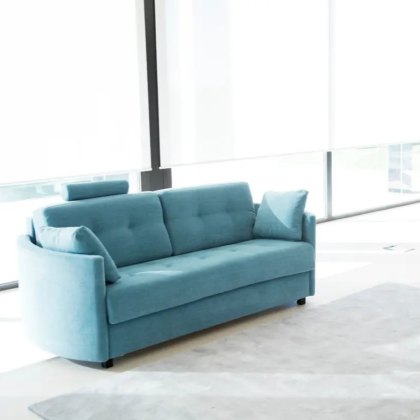
The next important decision once the measurements are in place, is figuring out which shape or size works best for you. This can be influenced by the number of people in the house, the purpose of the sofa (entertaining or movie marathon-ing), and also by the kind of space you have to work with. Different shapes and kinds can include corner sofas, loveseats, grand, large or medium sofas, reclining sofas or snugglers.


Comfort

This is the one word most people associate a sofa with, and one of the most important things to consider. The fillings of the sofa are the best way to figure out which comfort level works best for you. We've compiled the most common ones below to provide a basic level of understanding.

We do always recommend trying it before buying it, however online orders might sometimes be more convenient. In this case, it can be useful to decide which filling suits your needs the best, and to look for the filling type in the product descriptions before making your decision.


Cushion Fill Types

Choosing the right cushion filling can make all the difference to comfort, support, and maintenance. Here are some of the most popular options you might find:


  • Foam Cushions

Firm and supportive, foam cushions are ideal for maintaining good posture or for entertaining more formal guests. They are extremely low maintenance, hold their shape very well, and provide long-lasting support.


  • Fibre Cushions

Soft and comfortable from the get-go, fibre cushions offer a relaxed seating experience. However, they do require more upkeep, as regular plumping is needed to prevent loss of shape. This filling is also a more budget-friendly option.


  • Feather Cushions

Best described as indulgent, sink-in comfort, feather cushions give your living room a more lived-in feel. They mould to the shape of your body and provide ultimate relaxation — perfect for curling up with a film or a good book. Like fibre cushions, they need regular plumping and may not be suitable for those with allergies.


  • Foam and Fibre Combo Cushions

Offering the best of both worlds, this combination provides the firmness of foam with the softness of fibre. These cushions require less maintenance than fibre alone and are a great choice for child- or pet-friendly homes.


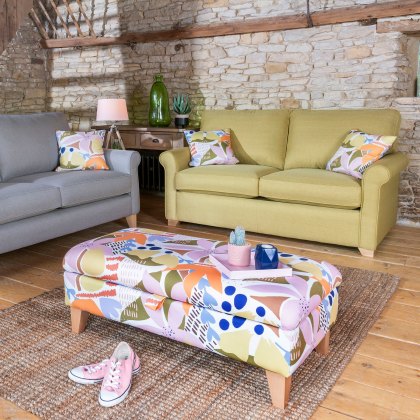
Once you have a colour scheme in place for the walls, accessories and other furniture, you can decide whether your sofa should blend in or provide contrast. For a more refined look, opt for neutral tones. Rich, dark shades can create an elegant and opulent feel, while brighter colours add a youthful and playful edge. Patterns also play an important role. Depending on your preference, these can be used on the sofa fabric itself or introduced through scatter cushions. The overall style of the sofa is often influenced by your chosen design scheme.

  • Traditional sofas

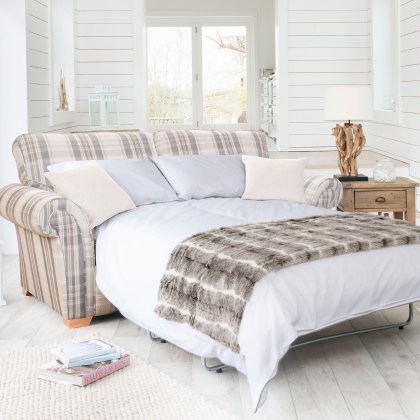
    Defined by curved scroll arms, piping details, wooden feet and decorative studding.

  • Contemporary sofas

    Typically feature metal or concealed legs, low-profile backs and edges, and minimal to no detailing.

  • Mid-century sofas

    Ideal for Scandinavian or retro-inspired interiors, with subtle curves, slim legs and low backs.

  • Fixed back sofas

    Offer a more structured and formal appearance.

  • Scatter back sofas

    Create a more relaxed and comfortable look.

  • Modular sofas

    Made up of individual blocks and sections that can be rearranged to suit different seating needs. Options include corner units, left- and right-hand facing chaise units and more. Click here to discover our impressive collection.

  • Recliner sofas

    Power recliner sofas may include adjustable headrests and footrests, while manual recliners typically feature reclining backs and footrests. Ideal for modern interiors that balance structured style with laid-back comfort. Click here to explore our curated collections for inspiration.


Fabric or leather?


      Fabric:

  • Warm and cosy
  • More variety in texture 
  • Easier to match with any decor 
  • More affordable than leather 

    Leather:

  • Timeless classical appeal
  • More durable and easier to wipe clean (better for kid-friendly/pet-friendly homes)
  • Develops a rich patina over time 
  • Can feel cooler to sit on


Some important but overlooked considerations

After all of these decisions, you might think the job's done - but there's a few points that can make a difference which are often forgotten. 

  • Delivery time:

The sofa of your choice might seem perfect in all other respects, but waiting ages for it to arrive can often dampen your enthusiasm. Make sure to confirm the exact delivery lead times so you're not left in the lurch!

  • Assembly:

Fitting through the relevant doorways is an important reason to choose part assembled or unassembled products. However, if you would prefer not to pay the assembly fee or do not have the time to assemble it yourself, ready assembled sofas are often an easier option. 

  • Warranty and guarantee:

A guarantee covers overall satisfaction and is often for a shorter term, while a warranty covers specific faults and can often be for a longer term. Make sure to confirm these terms and conditions for peace for mind!

  • Variety of pricing: understand what affects cost 

Different fabrics on the same sofa might often be of different price bands due to the quality. Often, features like special filling or easy clean may cost more, but are good to consider if you are buying the sofa as a long term investment. 


For more tips and personalised guidance, contact our Interior Designer Holly Ambrose, or visit the store for inspiration. Happy shopping!