How to care for wood dining and living furniture
Caring for wood furniture comes down to four habits: dust it with a dry cloth, use mats and coasters, wipe up spills straight away, and keep it away from radiators, fires and long spells of direct sunlight. Beyond that, the right care depends on the finish, so it's worth knowing whether yours is lacquered, oiled or waxed.
This guide draws on our living and dining care leaflet and ercol's care instructions, but always follow the maker's instructions for your piece first.
How do you care for a solid oak dining table?
Dust it with a dry cloth, use mats under hot dishes, wet glasses and cutlery, and wipe up spills straight away with a damp cloth. Keep it away from radiators and long spells of direct sunlight, and don't use spray polish.
- Dust with a dry cloth, as ercol recommends.
- Use mats or coasters under hot dishes, wet glasses, crockery and cutlery.
- Wipe up spills straight away with a damp cloth. Even water can damage a finish.
- Lift sticky marks with dilute warm soapy water, rubbing lightly, then dry the area completely (ercol's advice).
- Skip spray polish: silicone-based ones aren't needed on sealed finishes and damage unsealed ones.
- Open an extending table now and then, so the leaves stay closer in colour to the top.
The same routine works for other wood furniture, solid or veneered.
Is your furniture lacquered, oiled or waxed?
Check the care information that came with your order or the maker's instructions, or ask our team. It matters, because lacquer needs little more than dusting, while oiled and waxed finishes need regular treatment with the right product.
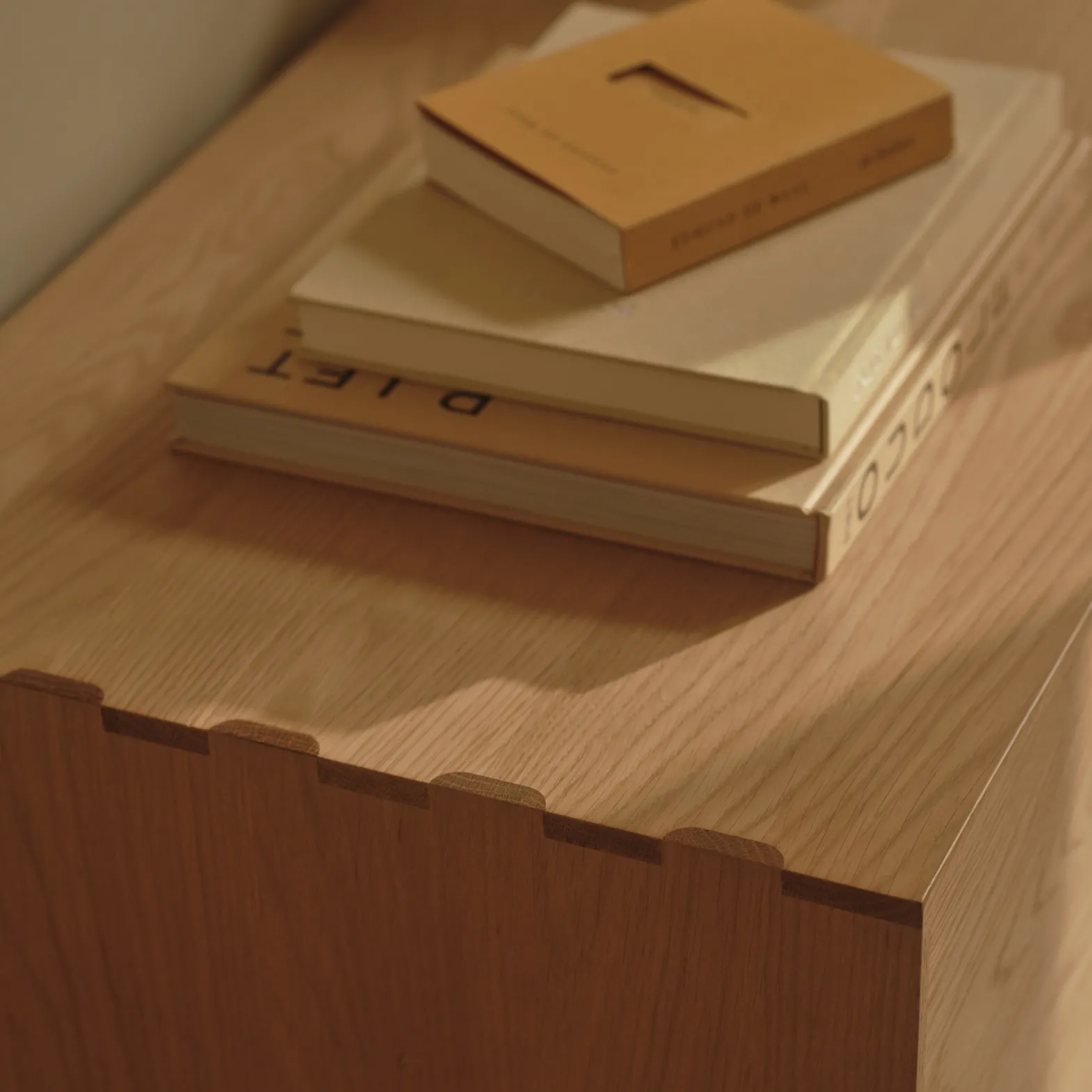
ercol's instructions say a hard lacquer should be dusted with a dry cloth. The ercol Heritage extending dining tables we sell have a clear matt lacquer, and the ercol Tenon coffee table a dead matt lacquer. Oiled and waxed pieces can look a little dry on delivery, and some need a first treatment, following the maker's instructions.
![]()
What should you never use on wood furniture?
Avoid spray polish, harsh cleaners and leaving water on the surface. Our care advice and ercol's instructions add up to this:
- No spray polish, because the silicones in it can build up and spoil the surface.
- No abrasive, acidic or caustic cleaners and no bleach, which may damage lacquer with prolonged use.
- No dragging. Lift furniture to move it, and protect the corners and edges.
- No rocking back on dining chairs, which can break the legs or weaken the frame.
If you have Premier Care, damage caused by the wrong cleaning products or methods isn't covered.
Why does wood change colour, and is it a fault?
It's natural: ercol's care instructions say all timber surfaces change colour and mellow over time. Light makes the difference, so anything kept out of it, such as a stored table leaf or the patch under a lamp, ends up a different shade.
Solid wood also varies in grain and colour from piece to piece, and can move with temperature and humidity. ercol describes the medullary ray, the fleck you'll see in some oak, as a mark of good-quality timber. Veneers are less prone to movement than some solid wood and can give a more consistent colour and grain.
Where should wood furniture go in your home?
Away from radiators, fires and long spells of direct sunlight, which can fade wood or make it warp. ercol also warns that the dry air from central heating can make solid wood warp. Draw the curtains or blinds on bright days.
If a cabinet door won't line up or a table rocks, it can be the floor rather than the furniture. Our living and dining leaflet points out that many floors, hard floors especially, can look level but run out of alignment.
What should you do about a spill, a heat mark or a scratch?
Wipe up spills straight away with a damp cloth, and check what's safe before you try to remove a mark, because the wrong product can damage a finish.
- Heat marks, white rings, scratches, dents and chips: leave them alone and ask us what's safe. If you have Premier Care and the damage came from a sudden accident, claim through Castelan within 28 days of noticing it: its policy lists heat rings, scratches, dents and chips as accidental damage.
- A broken glass shelf or door: contact us, so it's replaced to the approved safety standard.
- Damage on delivery: tell us straight away, and within three days of delivery for online orders or seven days for orders placed in store.
Where can you see wood dining and living furniture at Roomes?
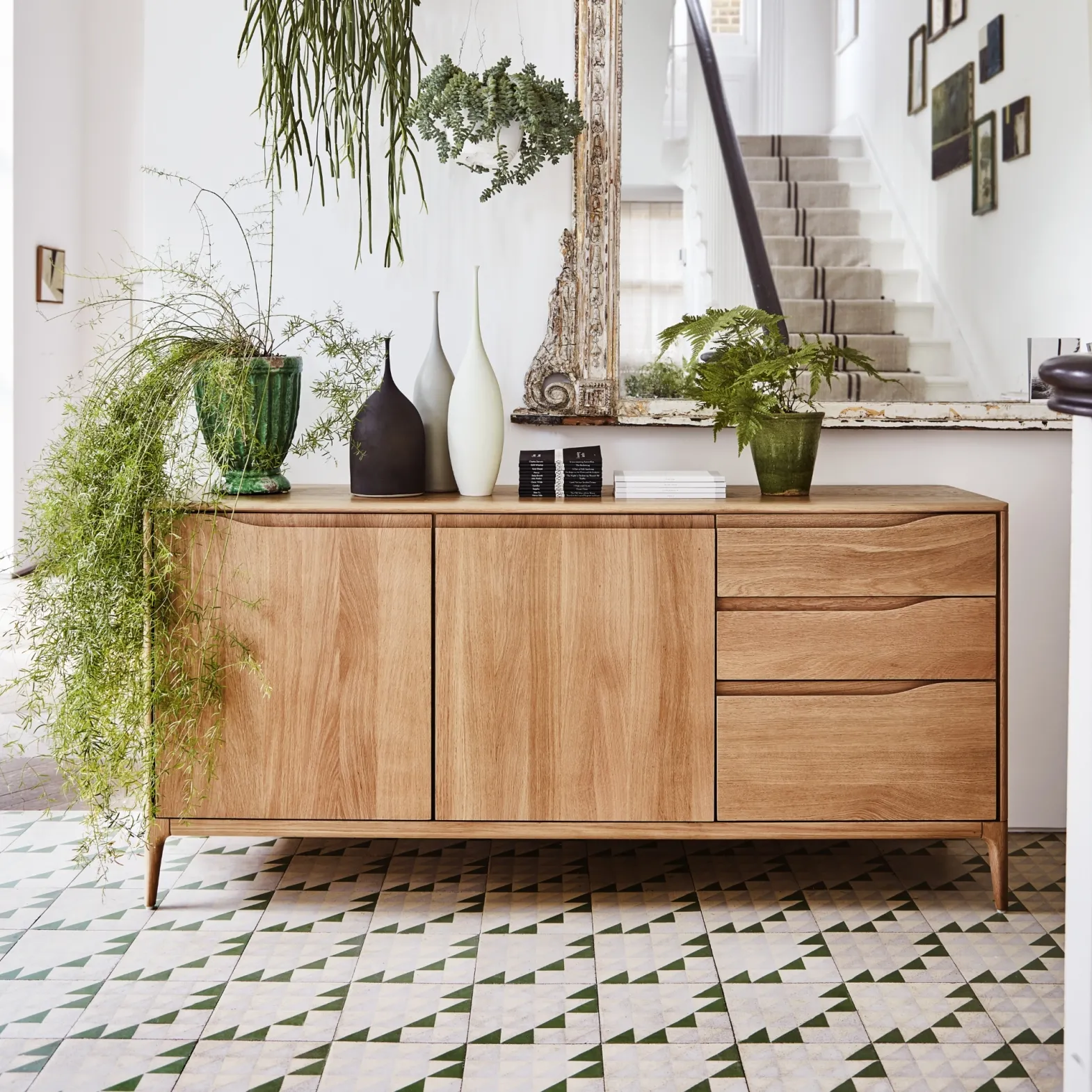
In our Upminster showroom. We're a flagship ercol stockist, and our ercol Gallery features many of ercol's new designs alongside its classics. Our dining and living furniture also comes from makers including Bontempi, G Plan, Stressless and Venjakob: browse our dining tables, sideboards and coffee tables.
Your order comes with care information, and our team can advise on what's right for your furniture. Already bought from us? Call our after sales team on 01708 255320, Monday to Friday, 10am to 4pm. For other materials, see our velvet furniture and leather sofa guides.
![]()
Frequently asked questions
How do you care for a solid oak dining table?
Dust a solid oak dining table with a dry cloth, use mats or a table protector under hot dishes, wet glasses and cutlery, and wipe up spills straight away with a damp cloth. Keep it away from radiators, fires and long spells of direct sunlight, and don't use spray polish. If the finish is oiled or waxed, Roomes' care advice is that it needs regular treatment with the appropriate product, following the maker's instructions.
Can you use furniture polish on a wooden table?
Avoid spray polishes on wood furniture. Roomes' care advice is that silicone-based spray polishes aren't needed on sealed finishes and will damage unsealed ones, and ercol's care instructions say spray polishes are best avoided, because the silicones they contain can build up and spoil the surface over time. Oiled and waxed finishes need the appropriate product instead, following the maker's instructions.
How do you get a white heat mark off a wooden table?
Check what's safe for your finish before trying anything, by asking the maker or Roomes, because the wrong product can damage it. If you have Premier Care and the mark came from a sudden accident, claim through Castelan as soon as possible and within 28 days of noticing it: heat rings are listed as accidental damage. Damage that builds up over time, or that's caused by the wrong cleaning products or methods, isn't covered.
Does wood furniture need oiling or waxing?
Only if it has an oiled or waxed finish. Roomes' living and dining care advice is that waxed and oiled finishes need treating with the appropriate product to keep their appearance, following the maker's instructions, while a lacquered finish needs only light dusting. Oiled and waxed pieces can look a little dry when they're delivered and may need a first treatment.
Where should you put a wooden dining table?
Away from radiators, fires and long spells of direct sunlight, which can fade the wood or make it warp. ercol's care instructions advise against placing furniture next to radiators or fires, and warn that the dry air from central heating can make solid wood warp. Drawing curtains or blinds on bright days protects the top, and opening an extending table now and then helps keep the leaves close in colour to the rest of it.
Why won't my cabinet door line up, or why does my table rock?
It can be the floor rather than the furniture. Roomes' living and dining leaflet notes that many floors, particularly hard floors, can look level but run out of alignment, which can put cabinet doors out of line and make tables and chairs rock. Check the floor first, and if the piece came from Roomes and still isn't right, call the Roomes after sales team on 01708 255320.
- 31st October 2026