Guide To Arranging Faux Flowers
![]()
How to Style Faux Flowers Like a Pro
Adding a stunning faux flower arrangement to your home is one of the easiest ways to enhance your interior design. Whether you’re styling a console table, dressing up a dining table or bringing life to a quiet corner, a well arranged bouquet of artificial flowers adds colour, texture and charm — with zero maintenance required. Faux flowers look fresh all year round without watering, wilting or seasonal limitations, making them a must have for stylish, low effort decorating.
At Roomes, you’ll find a selection of faux flowers that you can create arrangements with that feel perfectly at home in their space. If you’re searching for inspiration or wondering how to build your own faux flower display, you’re in the right place. You can also get expert help with our interior design service on all styling related ideas that you want to implement into your home.
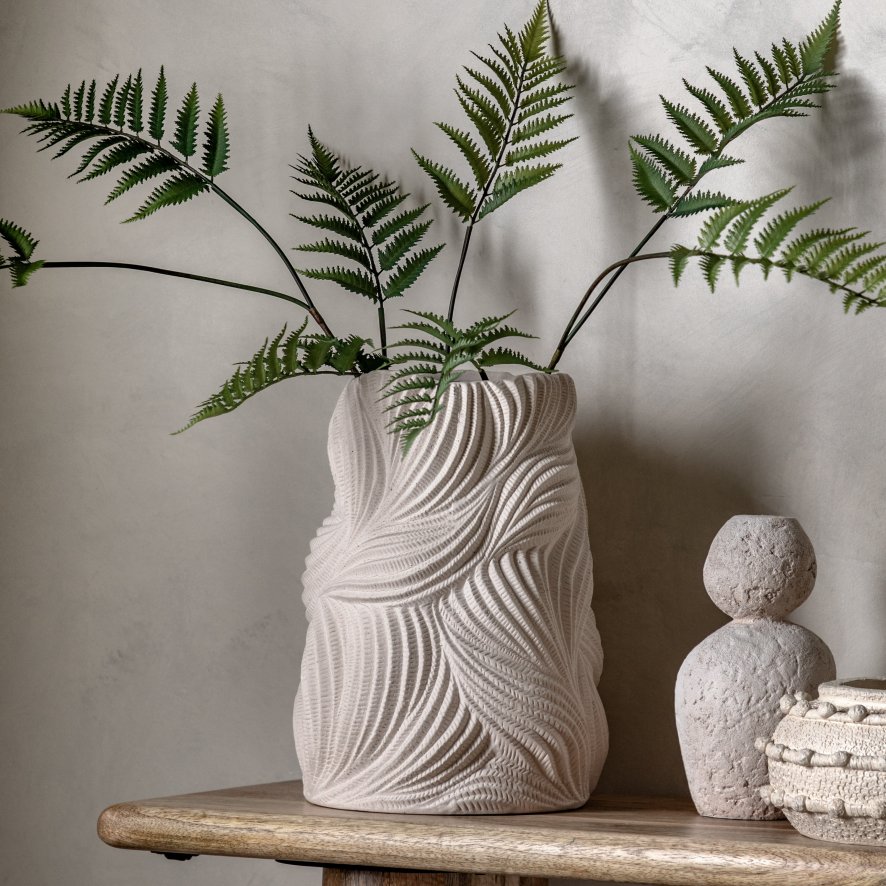
Start with the Vase (and the Space)
Before you start arranging stems, pick a vase that complements both your décor and the style of flowers. Consider:
-
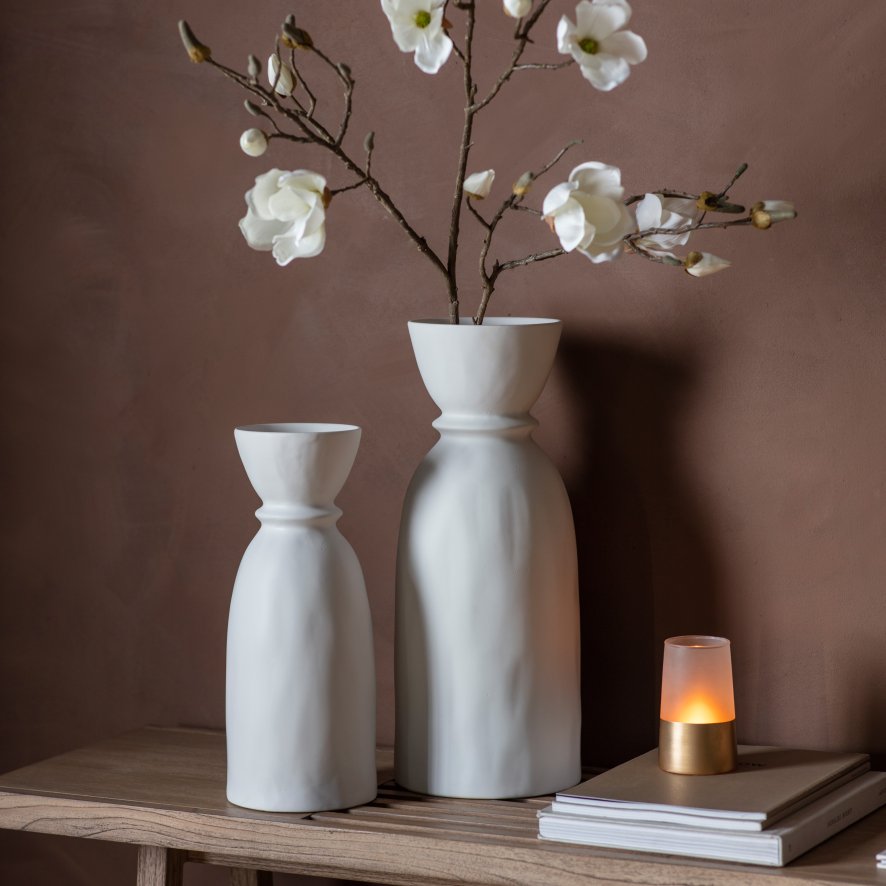
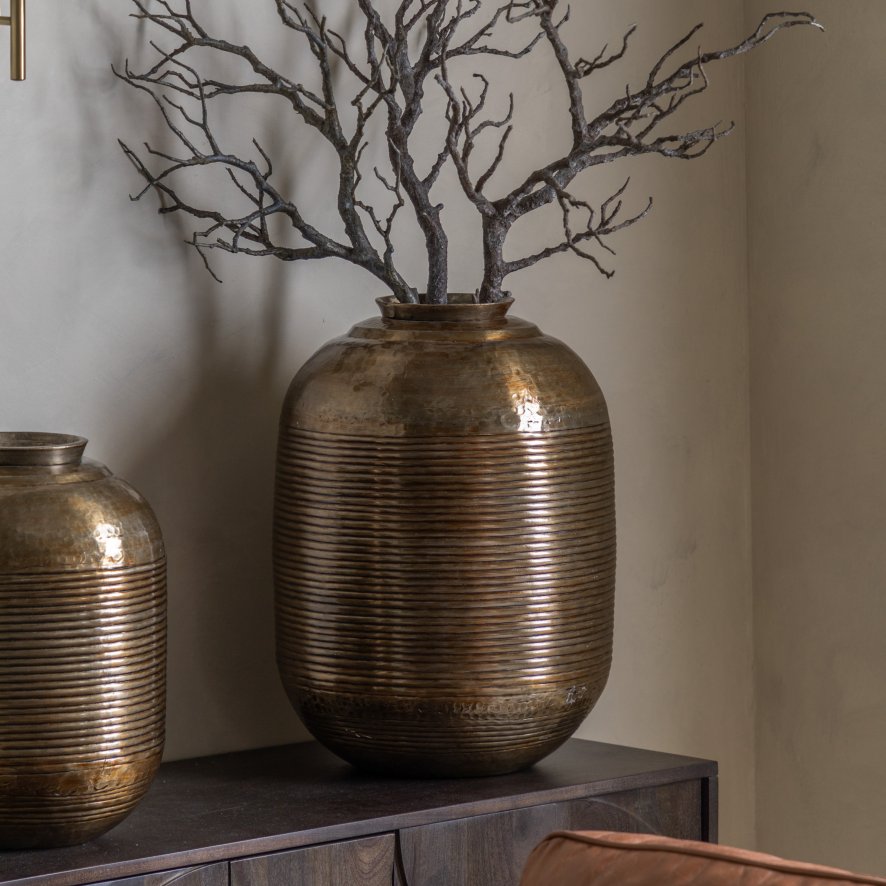
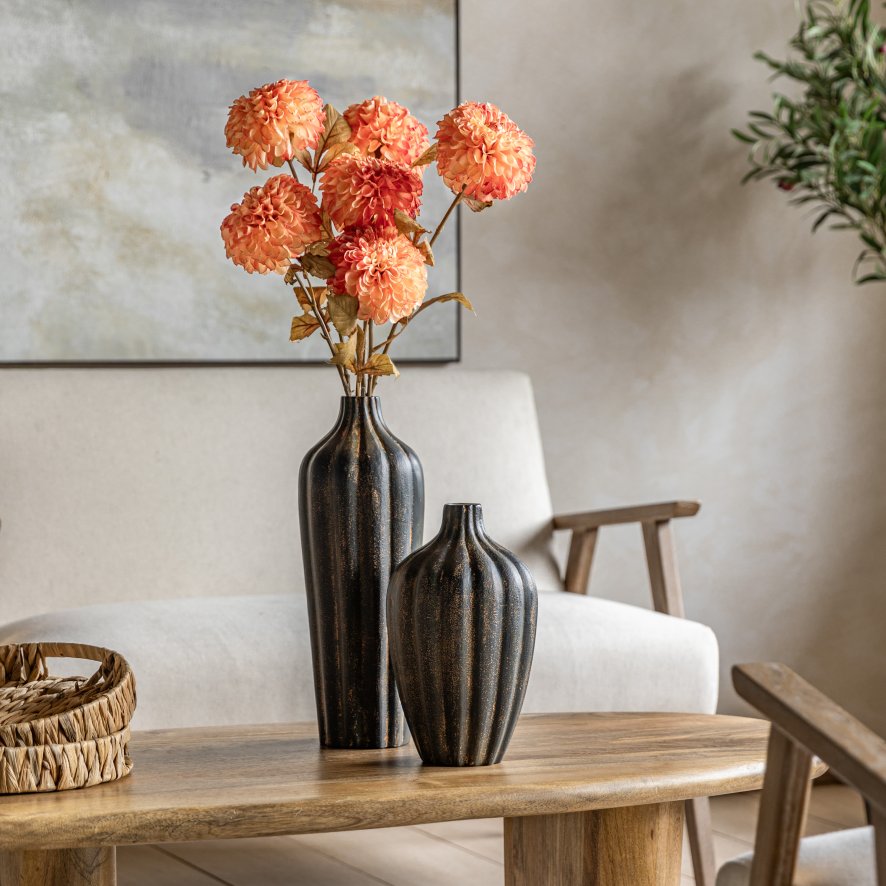
Size & proportion: A tall vase suits long stems and creates a dramatic centrepiece, while a low, wide vase works beautifully for table arrangements.
-
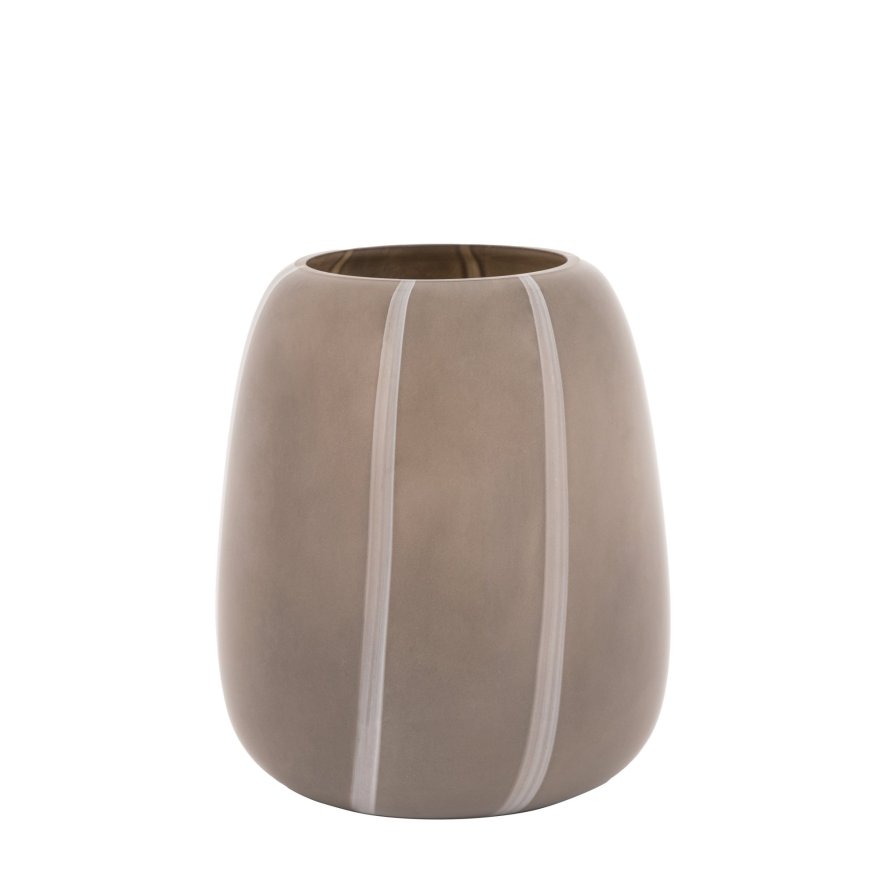
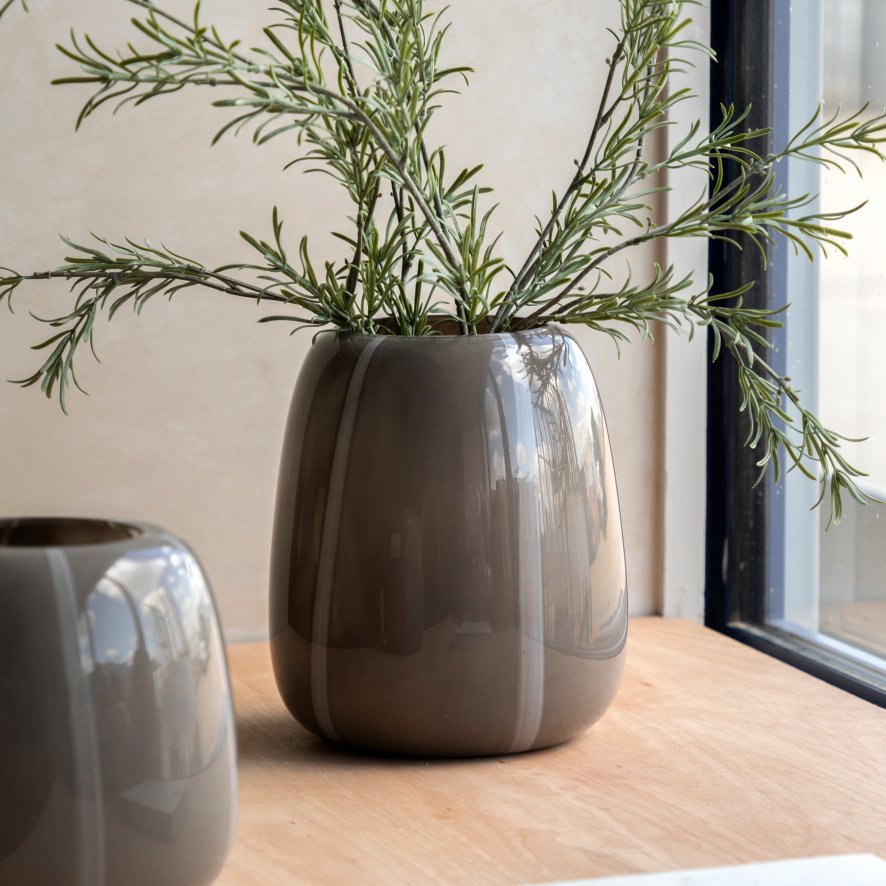
Style & finish: Clear glass gives a timeless look, ceramic adds earthy charm, and patterned or coloured vases bring visual interest.
-
Placement matters: For dining tables, keep it low and unobtrusive. For hallways or living room consoles, taller arrangements can make a bold statement.
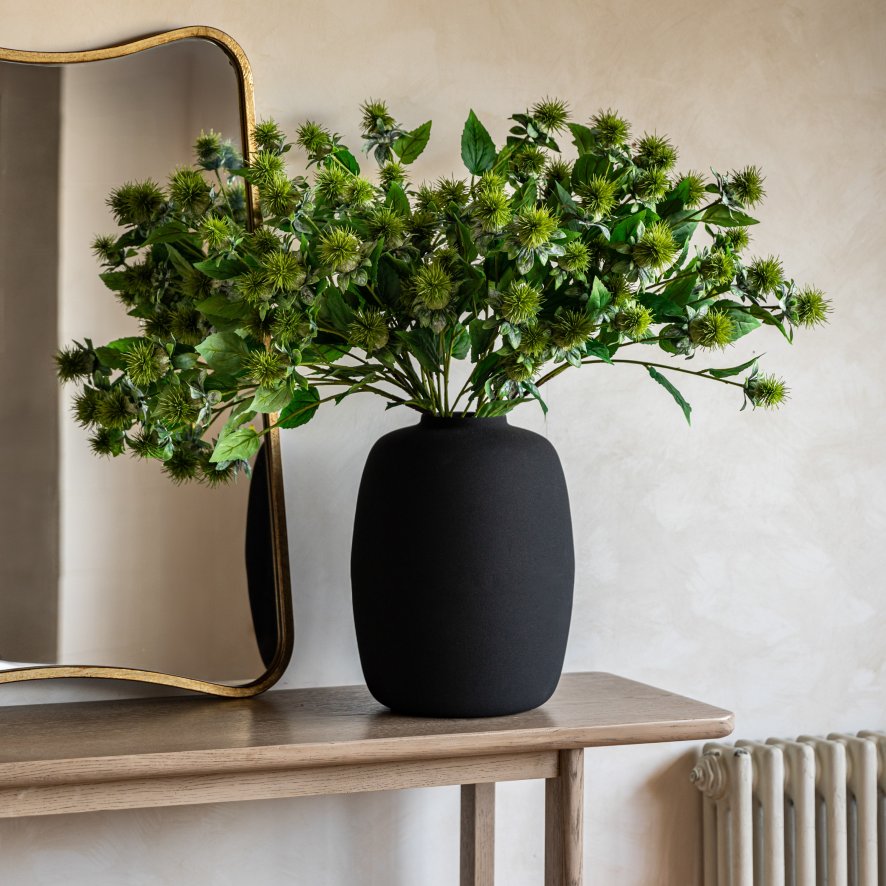
It’s equally important to consider where your arrangement will live. If the vase is going on a console or sideboard without a mirror behind it, you can create a ‘half arrangement’ with no stems at the back - it looks just as good and is more cost-effective. For dining tables, lower arrangements work best to avoid blocking sightlines, while hallways and kitchen islands are popular spots for taller displays.
Choosing the Right Faux Stems
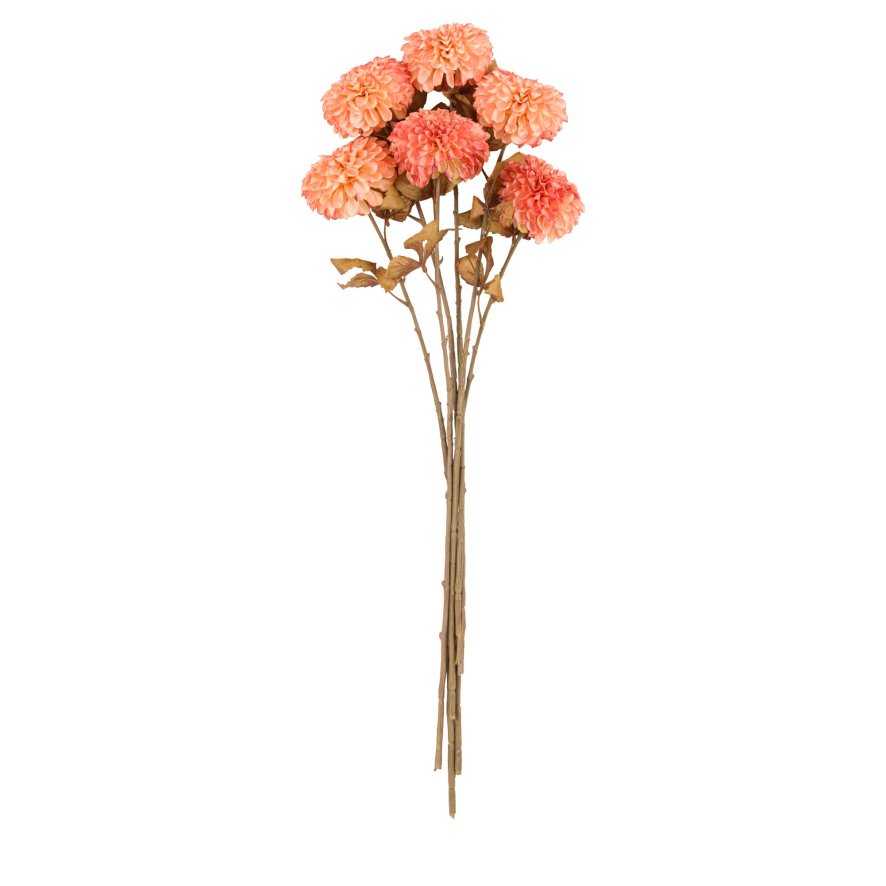
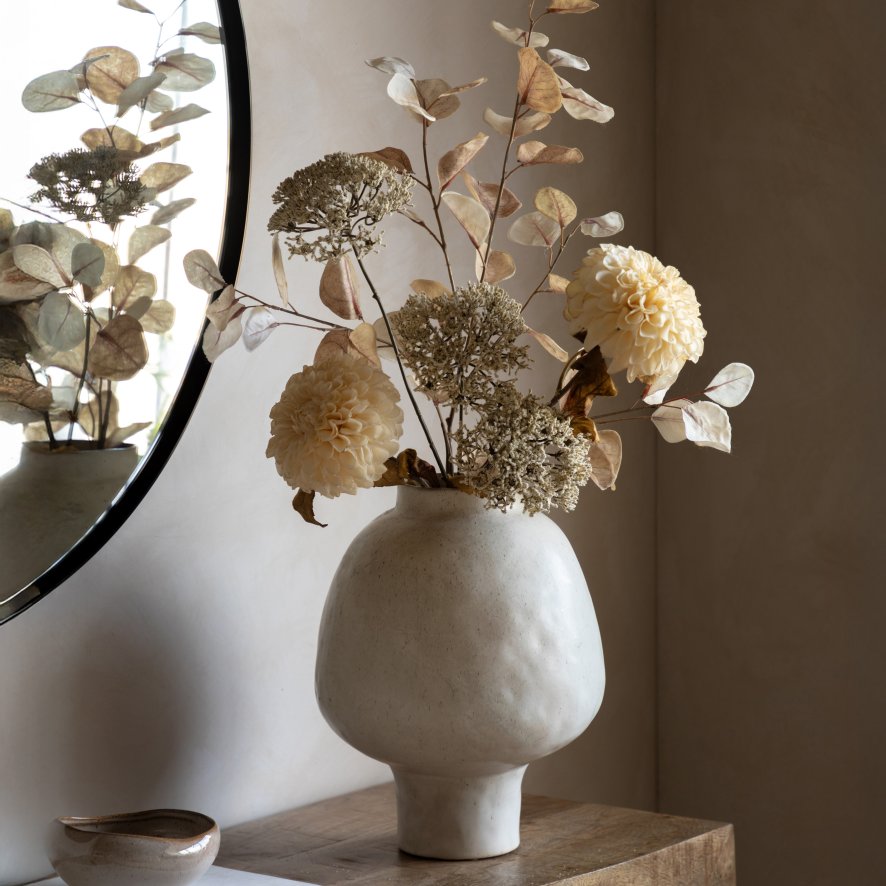
Choose stems that echo or complement your interior colours and textures. Start with foliage to build a foundation, then add two or more flower varieties with contrasting shapes and sizes - this creates dimension and visual appeal.
Pro tips for realistic faux flower arrangements:
-
Use groups of odd numbers (e.g., three or five stems) for balanced, natural looks.
-
Mix focal blooms (like peonies or roses) with filler elements such as greenery or small accent flowers.
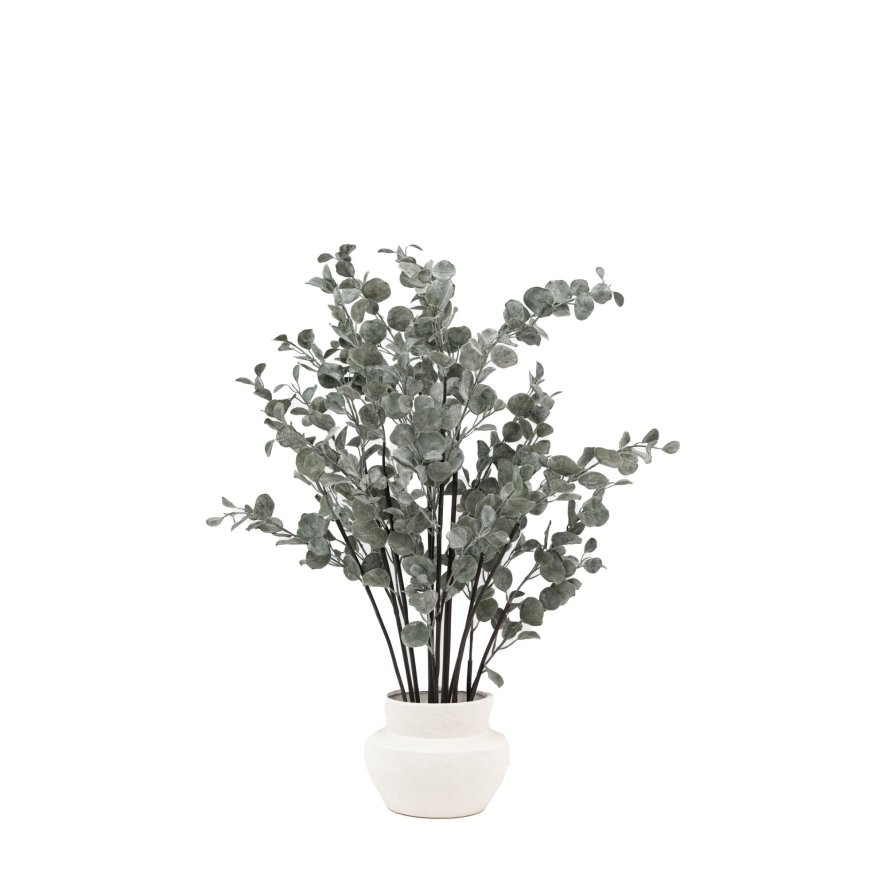
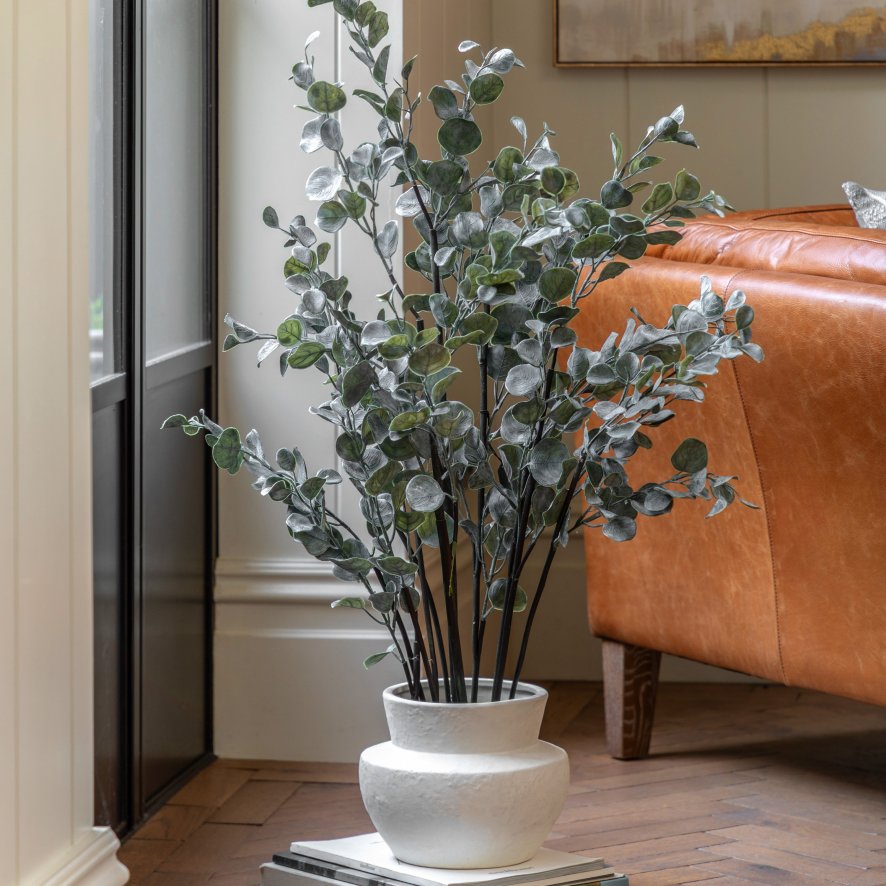
To keep things simple, you can choose a large bunch of matching foliage or flowers and place the entire stem in your vase. You’ll get a cohesive look that still feels bold and eye-catching.
![]()
Making Faux Flowers Look Real
When faux flowers arrive, they may look a little stiff at first but a few adjustments make all the difference. Always angle the flower head so it faces forward rather than straight up. Most artificial stems are wired, making them easy to shape. Gently bend and curve the stems using your fingers to introduce movement and a more natural feel.
If the stems are too tall for your vase, avoid cutting them where possible. Instead, bend the stem near the base to adjust the height. This bend helps the arrangement sit more securely and gives better structure overall.
You don’t need to completely restyle your arrangement with every season, but subtle updates can keep it feeling fresh. Rotate the flowers throughout the year keeping the same foliage but swapping blooms, such as peonies in spring or berries in winter. To add another realistic touch, you can tuck a scented diffuser stick inside the vase or lightly mist the arrangement with a room spray.
Create Structural Balance in Your Arrangement
Start with a foundation of greenery, then build outward:
-
Tallest stems at the back or centre: Anchors the arrangement and adds height.
-
Medium blooms next: Adds fullness and interest.
-
Shorter stems and fillers on the outside: Softens edges and creates flow.
Varying heights and textures helps prevent your arrangement from looking rigid or overly symmetrical.
Seasonal Styling Ideas
One of the best things about faux flowers is how easily you can refresh the look:
-
Spring: Pastel blossoms and light greenery.
-
Summer: Bright colours and bold blooms.
-
Autumn: Warm earthy tones and textural accents.
-
Winter: Evergreens, berries, or frosted stems.
Seasonal updates keep your décor feeling fresh without much effort.
Caring for Faux Flowers
One of the biggest advantages of artificial flowers is how easy they are to maintain. To keep them looking their best, remove the dust with a hairdryer set to a cool, gentle setting. Avoid water or damp cloths for fabric flowers, as moisture can mark the surface. Plastic flowers can wiped with a damp cloth.
With minimal upkeep required, faux flowers allow you to enjoy a beautifully styled bouquet that lasts.
Faux Plants
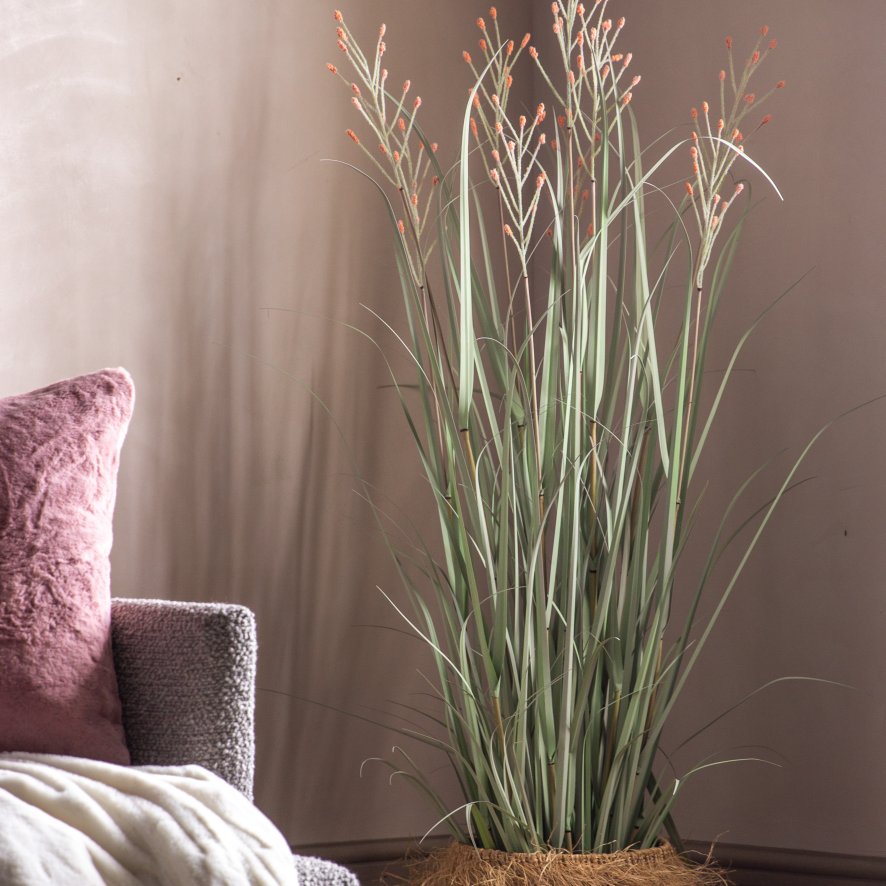
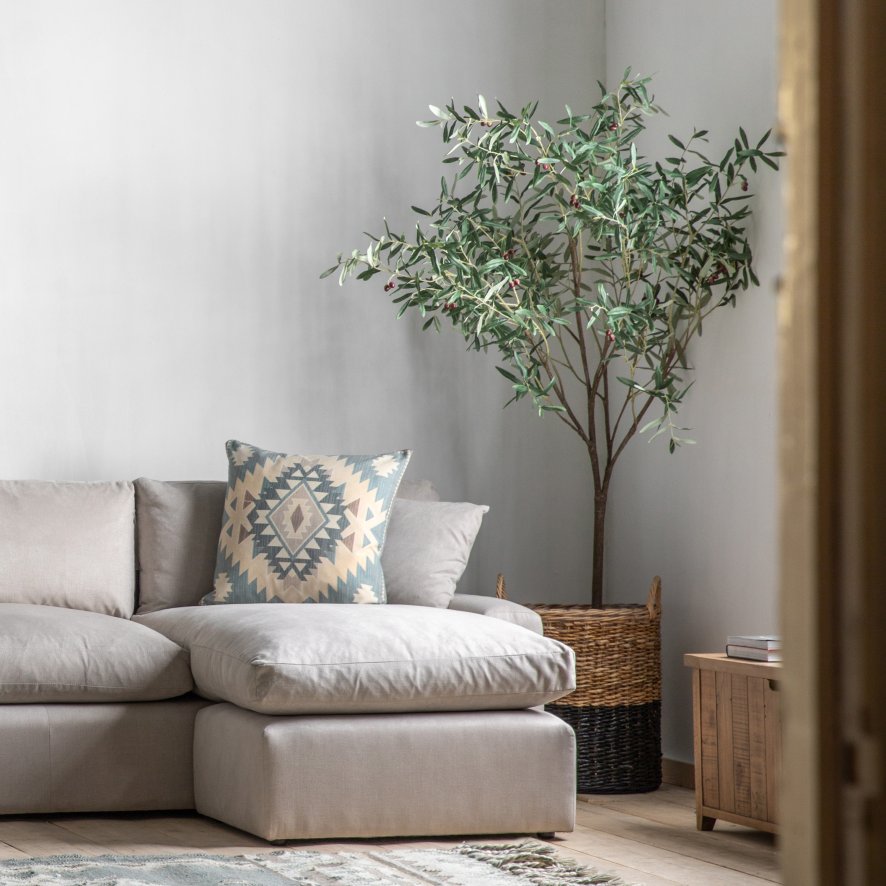
For a more natural, earthy feel, introduce greenery into your space with our faux plants. Designed to be cared for just like our faux flowers, they offer effortless beauty year-round. Style them in oversized containers or elegant wicker baskets to complement their height and character.
Arranging faux flowers is an art that blends creativity with practical styling. With the right vase, careful prepping, thoughtful selection and a mix of textures and heights, you can transform everyday spaces with beautiful, long?lasting floral décor. Faux flowers are versatile, budget?friendly and perfect for every season and style — from minimalist interiors to cosy, layered looks.
FAQs About Faux Flower Arrangements
Q1: Can faux flowers really look realistic?
Yes! High-quality faux flowers can mimic the look, texture, and colour of real blooms. For the most natural effect, choose stems with varied sizes, realistic petals, and textured leaves. Fluffing the petals and slightly bending the stems also helps the arrangement look organic.Q2: How often should I refresh my faux flower arrangement?
Although faux flowers don’t wilt, it’s a good idea to dust and reshape them every 2–3 months. This keeps the arrangement looking fresh and vibrant and prevents it from collecting dust or losing its shape.Q3: Are faux flowers suitable for every room in the house?
Yes! Faux flowers thrive in areas with little to no natural light where real flowers might struggle. They are perfect for living rooms, hallways, bathrooms, offices, and even kitchens. Plus, they are great for high-traffic spaces where real flowers could get knocked over or damaged.Q4: How do I make my faux flower arrangement look more natural?
-
Mix different heights and textures of stems.
-
Use odd numbers of flowers (3, 5, 7) for a balanced yet natural look.
-
Include greenery or filler flowers to create depth.
-
Slightly bend stems to mimic the natural growth of real flowers.
Q5: Can I combine real and faux flowers in one arrangement?
Absolutely! Mixing real and faux flowers allows you to extend the life of a bouquet. Use real flowers as focal points and surround them with faux blooms and greenery to fill in gaps, add height, and maintain symmetry.Q7: How do I clean faux flowers?
-
Lightly dust using a soft cloth, feather duster, or a cool hairdryer setting.
-
For fabric flowers, use a gentle spray of water and air dry away from direct sunlight.
-
For silk or plastic flowers, a damp cloth works well. Regular cleaning maintains their colour and realism.
Q8: Can faux flower arrangements be used for outdoor spaces?
Some faux flowers are suitable for outdoor use, especially UV-resistant varieties. Place them in sheltered areas like patios or covered balconies to prevent fading or damage from rain and direct sunlight.Q9: How do I choose the right vase for faux flowers?
-
Match the vase height to the tallest stems for balance.
-
Consider the room style: modern, rustic, minimalist, or traditional.
-
Use clear glass for a classic look or coloured/ceramic vases to add personality.
Q10: Can faux flower arrangements be personalized for different occasions?
Yes! Faux flowers are perfect for birthdays, weddings, anniversaries, or seasonal decor. You can change colour schemes, add ribbons, or include seasonal accents like berries, pinecones, or twigs for special events.Q11: How do I prevent my faux flowers from looking stiff or artificial?
-
Avoid over-packing the vase — allow some negative space.
-
Vary the heights of your stems and petals.
-
Fluff and bend leaves and blooms naturally.
-
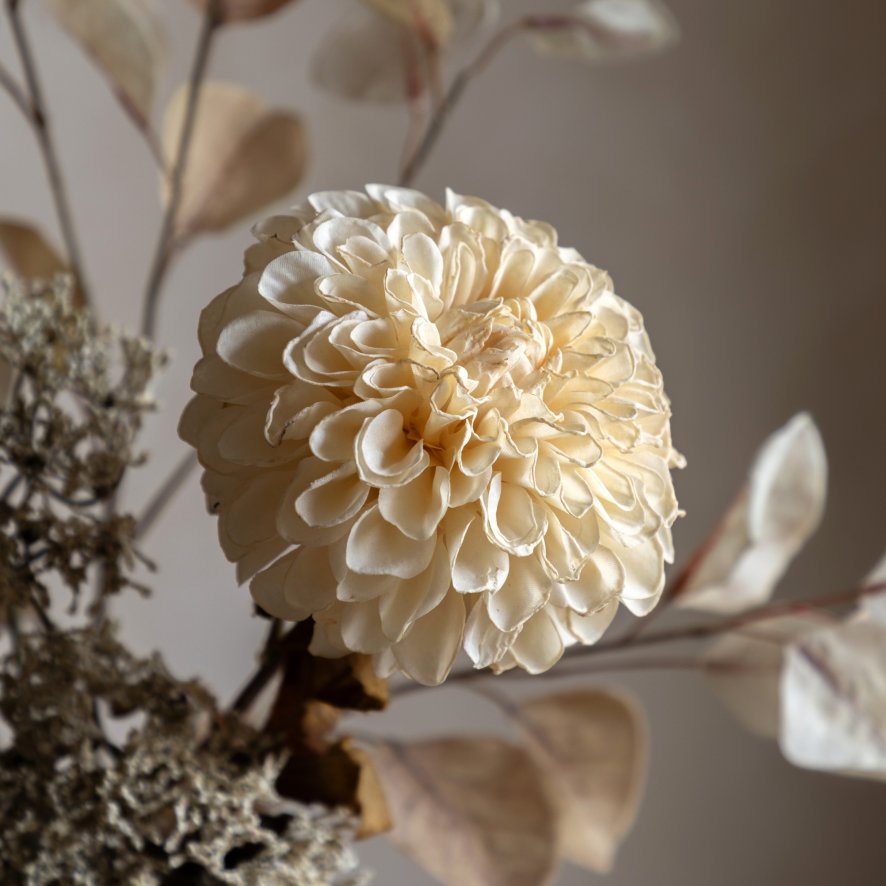
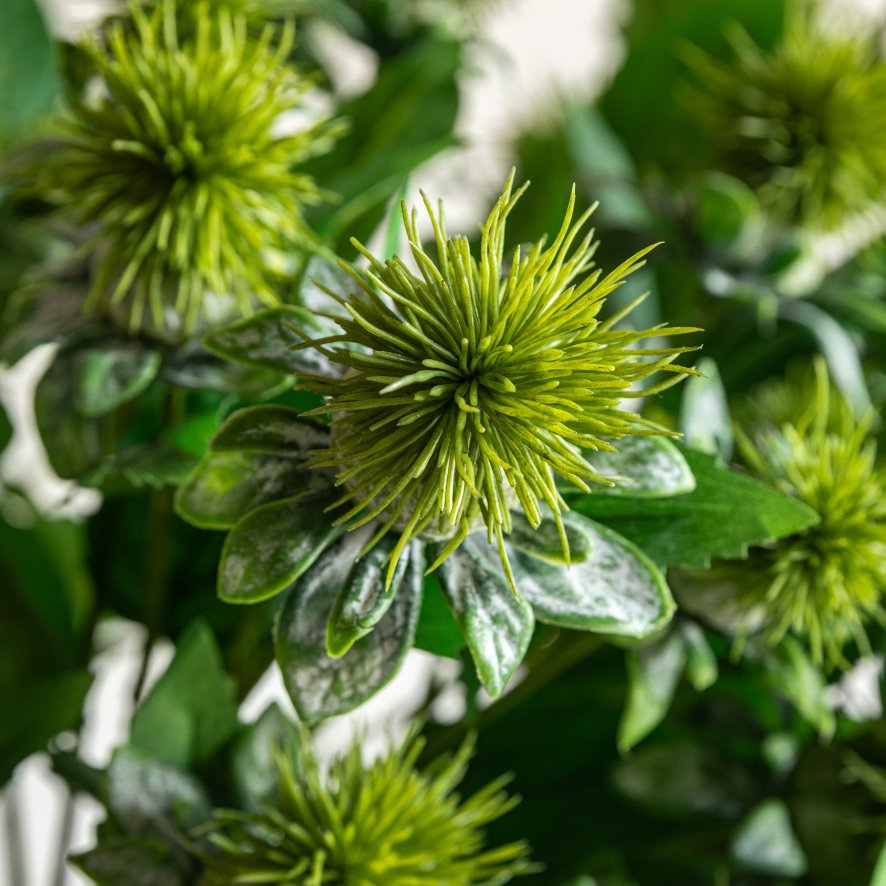
Mix in different textures like soft petals, spiky fillers, or airy greenery.
Shop All Faux Flowers & Plants
-
- 30th December 2025